
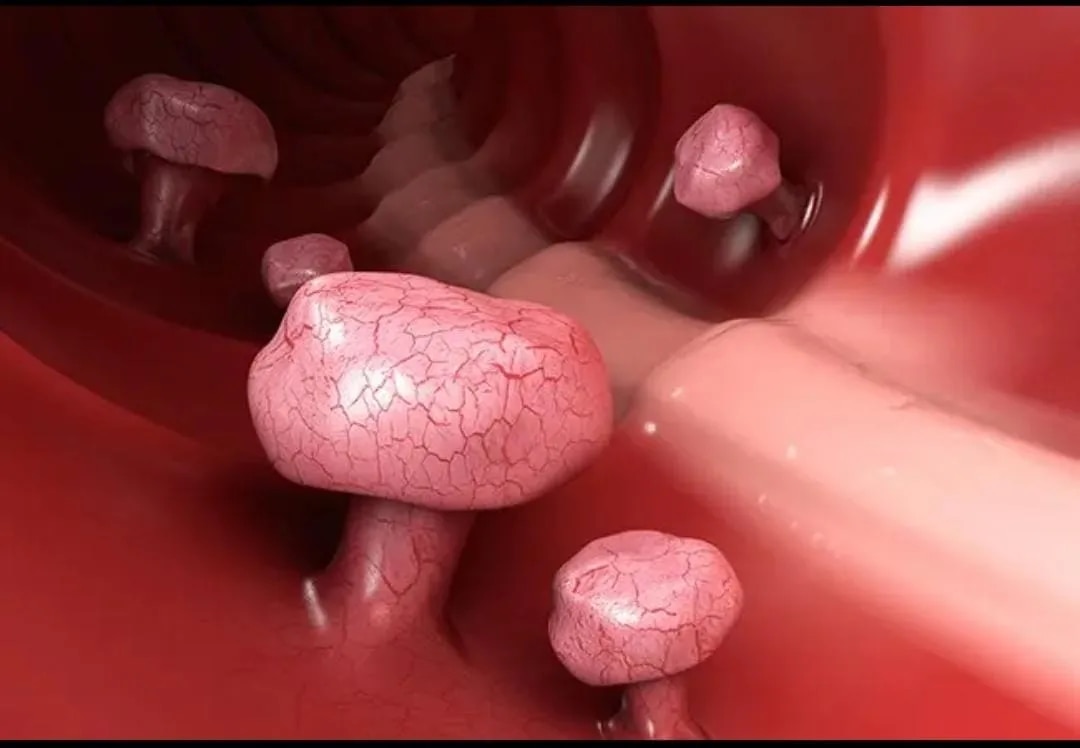
Treatment For Rectal Polyps
Description
*What are Rectal Polyps?*
Rectal polyps are growths on the inner lining of the rectum, which is part of the large intestine. They can be benign (non-cancerous) or precancerous, and some types can develop into colorectal cancer over time.
*Types of Rectal Polyps*
1. Adenomatous polyps: These polyps have the potential to become cancerous.
2. Hyperplastic polyps: These polyps are usually benign and small.
3. Serrated polyps: These polyps can be precancerous.
*Symptoms*
1. Rectal bleeding or blood in stool
2. Changes in bowel habits
3. Abdominal pain or discomfort
4. Iron deficiency anemia
*Treatment Options*
1. Polyp removal: During a colonoscopy, polyps can be removed using various techniques.
2. Surgery: In some cases, surgical removal of the polyp or affected portion of the rectum may be necessary.
*What to Expect from a Rectal Polyp Surgeon*
1. Accurate diagnosis: A thorough examination, including colonoscopy, to determine the type and severity of the polyp.
2. Personalized treatment plan: A tailored plan to address the individual's specific needs and condition.
3. Minimally invasive procedures: Techniques to minimize scarring and promote faster healing.
4. Post-operative care: Guidance on recovery, follow-up appointments, and surveillance for future polyps.
*Tips for Finding a Qualified Rectal Polyp Surgeon*
1. Check credentials: Ensure the surgeon is board-certified and experienced in treating rectal polyps.
2. Read reviews: Research online reviews and testimonials from previous patients.
3. Ask questions: Discuss treatment options, risks, and expected outcomes with the surgeon.
If you have rectal polyps, feel free to consult with me for proper diagnosis and treatment. Regular screenings and follow-up care can help prevent complications and detect any potential issues early.